

Drug-device combination products are becoming strategically critical. They enable differentiation, improve patient experience, and support complex therapies.
Yet collaboration models between CDMO and pharma have not kept pace.
Most partnerships still rely on volume-based manufacturing logic — built for predictability. That assumption no longer holds:
The result is a structural mismatch: high uncertainty meets fixed commercial expectations.
Drug and device are often not developed in parallel and lack integration into the others process. This leads to recurring issues:
At the same time, a contradiction persists: Platforms are marketed as “ready-to-use,” yet require significant customization investment later.
The result: delays, stalled decisions, and lost value.
Leading players treat drug-device combination products as a joint development journey, not a handover.
Three shifts stand out:
Device partners are involved as soon as key decisions are made — such as route of administration.
This drives:
Relationships move beyond transactional setup:
The CDMO becomes a co-development partner, not just a supplier.
The biggest shift is in the commercial model. Instead of relying only on production revenues, companies introduce multi-phase value sharing:
This aligns incentives across the full product lifecycle.
Successful companies focus on a few critical levers:
The shift is both structural and cultural.
For pharma:
For CDMOs:
Both sides benefit from better alignment and improved outcomes.
Drug-device combination products will continue to grow in importance.
Success will depend less on technology — and more on aligned incentives across uncertainty.
The partnerships that win:
How a-connect supports
We help pharma companies and CDMOs design and implement partnership models that work in practice.
Amir Tahric, Independent Consultant with a-connect, advises life sciences companies on business model innovation, supply chain strategy, and strategic partnerships. His focus lies on building resilient, value-driven collaboration models in complex innovation environments.
Ralf Halbach, Client Services Partner at a-connect, focusing on Life Science clients, supporting senior executives across sales & marketing, commercial operations, market access, P&L leadership, and strategic transformation.
Let’s connect
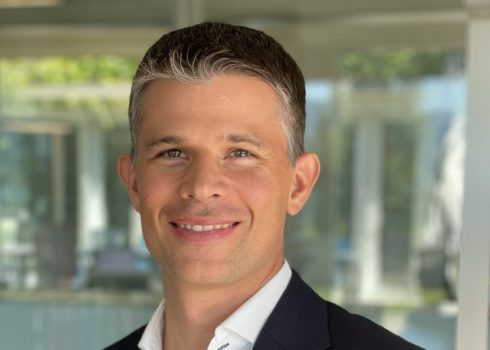
Bernhard Stadler
Co-Managing Director & Client Service Partner Zurich

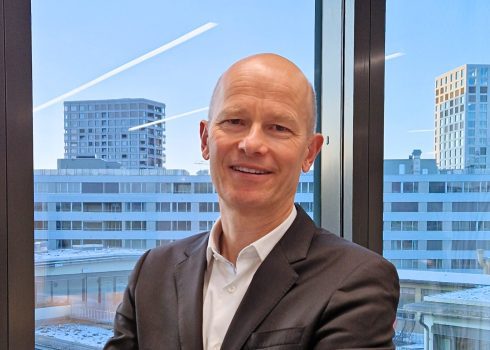
Ralf
Job Title Zurich

Niki Inglezou
Talent Service Partner Zurich

Register for our newsletter to receive curated insights directly to your inbox.