

In today’s pharmaceutical market, divestments have become a strategic tool.
Large organizations are increasingly packaging mature or non-core portfolios and selling them to smaller players. The capital released is reinvested into R&D, while buyers look to optimize supply chains and extract value from established products.
On paper, it’s a win-win. In practice, many organizations underestimate what happens after the deal is signed.
The most common mistake in divestments is assuming that signature equals closure.
In reality, signing marks the beginning of a long operational journey. Pharmaceutical portfolios come with obligations that do not disappear when ownership changes:
If these obligations are not fully understood and planned for, value erosion is almost inevitable. Missed milestones, fines, delayed transfers, and reputational damage quickly eat into expected returns, for sellers and buyers alike.
Deal teams are often incentivized to close transactions quickly. Operational teams inherit the consequences.
What’s missing is not intent, but depth of due diligence.
True diligence goes beyond financials and contracts. It requires a detailed understanding of:
Without this, organizations believe they are “out” of a portfolio long before they actually are.
There is no single perfect structure for a divestment.
Some organizations try to simplify future sales through legal entity optimization and consolidation. This can reduce complexity, but only if it aligns with the buyer’s strategy. In many cases, buyers will unpick those structures anyway.
What consistently matters is execution capability:
Divestment is not a checklist exercise. It is a lifecycle.
Successful divestments demand people who can think at two levels simultaneously:
This is where experienced operators make a difference. Having lived through similar transitions, they can anticipate issues that general frameworks often miss, and translate strategy into workable, day-to-day decisions.
In a market that is consolidating fast, this combination of depth and breadth is becoming increasingly rare and increasingly valuable.
This is where a‑connect stands apart. Our consultants combine deep, lived operational experience with the ability to design and execute complex change, bridging the gap between strategy, execution, and day‑to‑day reality.
For organizations on either side of a transaction, the question is no longer whether to divest, but whether they are prepared for everything that follows.
Taposh Bhattacharya is an Independent Consultant with a-connect, advising senior leaders in the pharmaceutical industry. Specialized in the area of Mergers and Acquisition carve out projects. Managing risks and adapting to issues that come from paths of complex change is where he thrives. Leading complex business and technological change in an international business environment.
Your experts
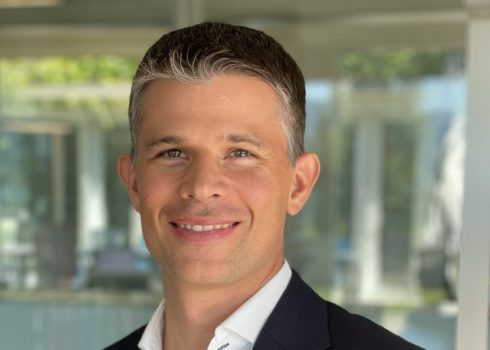
Bernhard Stadler
Co-Managing Director & Client Service Partner Zurich

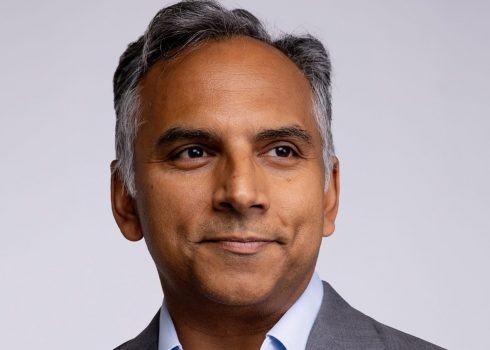
Taposh
Independent Consultant

Register for our newsletter to receive curated insights directly to your inbox.